
Hind Yugam: Behind the Scenes of Managing a Literary & Cultural Event
By Aditi Sinha · 8 October 2026
A successful event is much more than what happens on stage.
For the audience, an event may look like a seamless combination of performances, conversations, literature, and entertainment. But behind that experience is a team constantly coordinating people, schedules, artists, guests, logistics, and last-minute changes.
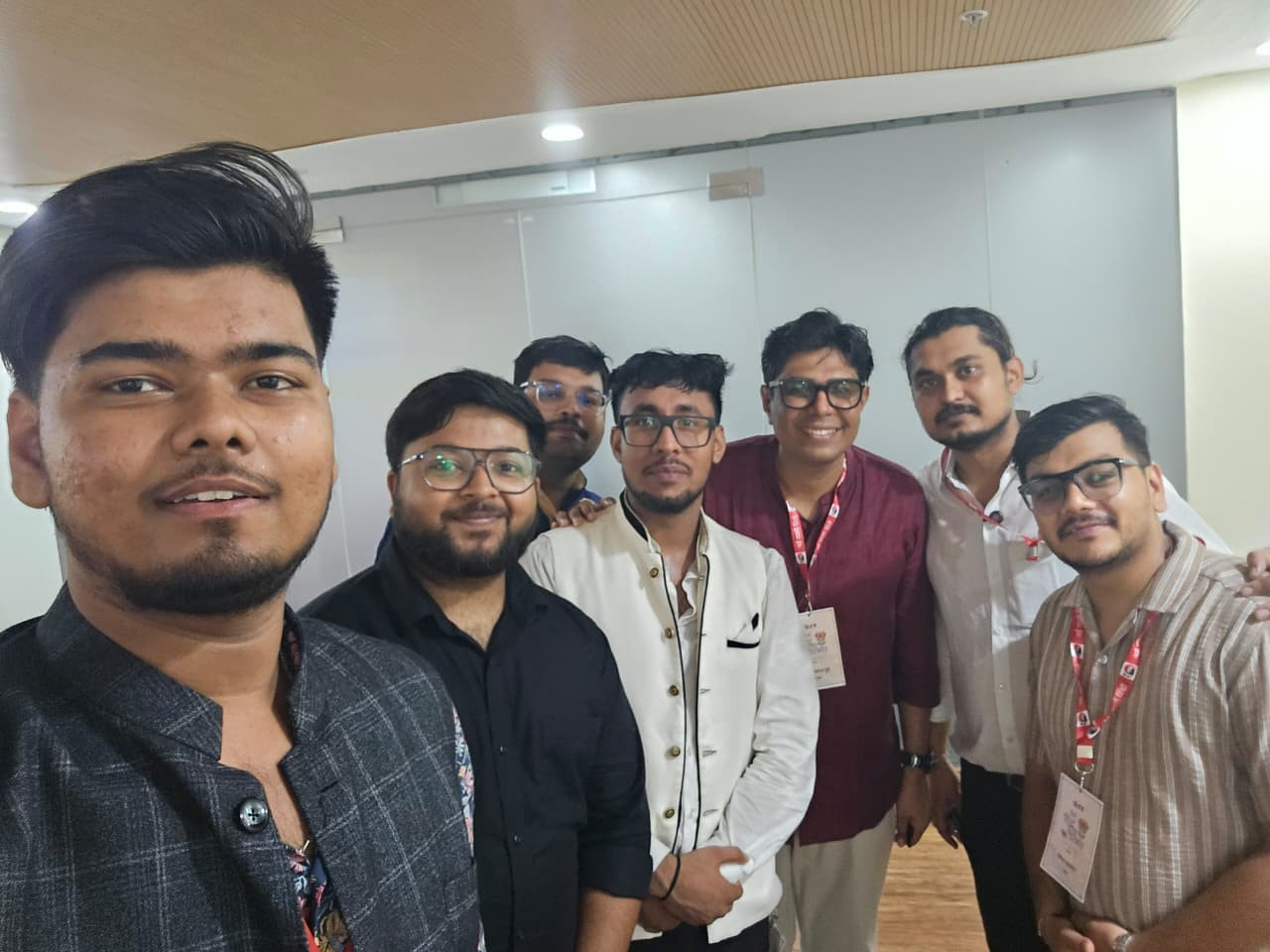
Our experience at Hind Yugam gave us the opportunity to work closely with these behind-the-scenes elements and manage multiple aspects of a live literary and cultural event.
From stage management and open mic coordination to guest hospitality, artist management, backstage operations, registration, crowd management, and logistics, our team worked across different areas to help create a smooth event experience.
Understanding the Event Behind the Experience
Hind Yugam brought together literature, creativity, artists, speakers, and audiences in a live cultural environment.
Such events require careful coordination because multiple activities happen simultaneously. While one session may be taking place on stage, another artist may be preparing backstage, guests may be arriving, and the next segment may already need to be coordinated.
This is where effective event management becomes important.
Our focus was not limited to one particular department. We worked across different operational areas to ensure that the event continued smoothly.
Stage Management: Keeping the Event on Schedule
Stage management was one of the key responsibilities during Hind Yugam.
A live event involves multiple speakers, artists, performances, and sessions. Each segment needs proper timing and coordination.
Our team worked on coordinating stage entries and exits, communicating with performers and speakers, and ensuring smooth transitions between different segments.
The objective was simple: keep the stage moving while maintaining the flow of the event.
Open Mic Management
The open mic segment provided participants with an opportunity to share their poetry, stories, thoughts, and creative work with a live audience.
Managing an open mic requires coordination before and during the session.
Our responsibilities included coordinating participants, maintaining the sequence, communicating their turn, managing stage movement, and helping ensure that participants were ready before going on stage.
For an open mic to feel spontaneous to the audience, the coordination behind it needs to be organised.
Guest and Artist Management
Guest hospitality was another important part of our role.
From welcoming guests and artists to coordinating their movement and requirements, our team remained involved throughout the event.
Artist management also required close communication regarding schedules, stage timings, backstage requirements, and movement.
When artists and guests know exactly where they need to be and when they need to be there, the overall event flow becomes much easier to manage.
Backstage Management: Where the Real Coordination Happens
The audience primarily experiences the event from the front of the stage. Backstage, however, is where constant coordination takes place.
Our backstage team worked on coordinating artists, speakers, performers, and stage requirements while keeping the event schedule in mind.
Backstage management required quick communication and the ability to respond to changes without disturbing the audience experience.
This is one of the most important lessons of live event management:
What looks effortless on stage often requires continuous effort backstage.
Registration and Crowd Management
The event experience begins as soon as an attendee enters the venue.
Our team also supported registration and crowd management to help maintain an organised flow of attendees.
Managing a crowd during a live event requires awareness of movement, timing, entry points, and communication between different teams.
The registration and crowd teams therefore had to remain connected with the larger event management operation.
Logistics Management
Logistics may not always be visible to the audience, but it is an essential part of any successful event.
During Hind Yugam, our team worked on coordinating different logistical requirements and ensuring that necessary arrangements were available when and where they were required.
From backstage requirements to coordination between different teams, logistics involved continuous communication and attention to detail.
Why Team Coordination Matters in Event Management
One of the biggest takeaways from Hind Yugam was that no event department works independently.
Stage management depends on artist management. Artist management depends on backstage coordination. Backstage operations depend on logistics. Registration and crowd management affect the overall attendee experience.
Every department is connected.
That is why successful event management requires not just individual skills but also communication, teamwork, planning, adaptability, and quick decision-making.
The Importance of Handling Last-Minute Changes
Live events rarely go exactly according to plan.
Timings can change. Performers may arrive late. A guest may need assistance. A session may run longer than expected.
During such situations, the event team needs to respond quickly while keeping the audience experience in mind.
Hind Yugam gave our team an opportunity to work in exactly this kind of dynamic environment, where coordination and adaptability were essential.
What We Learned from Hind Yugam
Working on Hind Yugam helped us understand that event management is about much more than arranging a venue or managing a schedule.
It is about bringing together people, creativity, technology, logistics, communication, and execution.
Every successful stage performance has a team behind it.
Every well-managed guest experience requires coordination.
Every smooth transition requires preparation.
And every memorable event is built through hundreds of small details coming together at the right time.
Our Approach to Event Management
At Kalakaar Studios, our experience with Hind Yugam strengthened our understanding of managing live cultural and literary events.
From stage management and open mic management to artist coordination, guest hospitality, backstage operations, registration, crowd management, and logistics, every department contributed to the overall event experience.
For us, Hind Yugam was not simply an event to manage. It was an opportunity to put planning, teamwork, and real-time execution into practice.
Because when the audience can simply enjoy the moment without noticing the complexity behind it, that's when the work happening backstage has truly done its job
This post was submitted by a community writer and reviewed by the Kalakaar Studios editorial team.