
What Nobody Sees Behind a Perfect Live Event
By Aditi Sinha · 17 September 2026
Behind the Scenes of a Live Event: Planning, Production & Execution
When the lights come on, the music begins, and the audience applauds, a live event can look completely effortless. The stage appears polished, the speakers seem prepared, the performers enter at exactly the right moment, and every transition feels natural. But behind that perfect experience is a world the audience rarely sees. It is filled with detailed planning, long rehearsals, technical checks, rushed conversations, nervous performers, last-minute changes, unexpected drama, and a production team working constantly to keep the show moving. A successful live event is not created only by what happens on stage. It is shaped by everything that happens behind the curtain.
The First Idea
Every event begins with an idea. It could be a wedding celebration, music concert, corporate conference, award ceremony, fashion show, product launch, college fest, or cultural programme. The first planning discussions usually focus on the event’s purpose, audience, mood, budget, venue, theme, and desired experience. From there, the idea becomes a production plan. The event team begins coordinating the venue, performers, speakers, decorators, caterers, technicians, photographers, videographers, security staff, and other vendors. A reliable production plan normally includes a timeline, vendor coordination, equipment planning, rehearsal schedules, and contingency arrangements. This stage may look organised from the outside, but it involves countless decisions. Where will the stage stand? How will guests move through the venue? Where will performers wait? How many microphones are needed? Where should the cameras be placed? Can the venue support the required lighting, sound, internet, and power systems? One small detail can affect the entire event. A late delivery can delay stage construction. A change in the guest list can affect seating and catering. A new performance can require different lighting, music, costumes, or rehearsal time. Every decision connects to another.
Turning an Empty Venue into an Experience
Before guests arrive, an empty venue slowly becomes the world they will eventually experience. Trucks unload equipment, stage structures are assembled, lights are mounted, screens are installed, and sound systems are tested. This stage of event production is known as load-in. It is often loud, physical, and fast-paced. Crew members carry equipment cases through narrow entrances while decorators arrange backdrops and technical teams run cables across the venue. The production manager checks the schedule while different vendors try to complete their work in the same space. Sometimes the venue transformation does not go according to plan. A stage piece may be too large for the entrance. A delivery may arrive late. A power connection may not be available where expected. A decorative installation may block a camera angle. A lighting fixture may need to be repositioned after the stage design changes. The team must solve these problems without losing sight of the final experience. Guests should eventually see an elegant stage, a welcoming entrance, and a well-organised event space—not the hours of movement, noise, and negotiation that created it.
The Energy Behind the Curtain
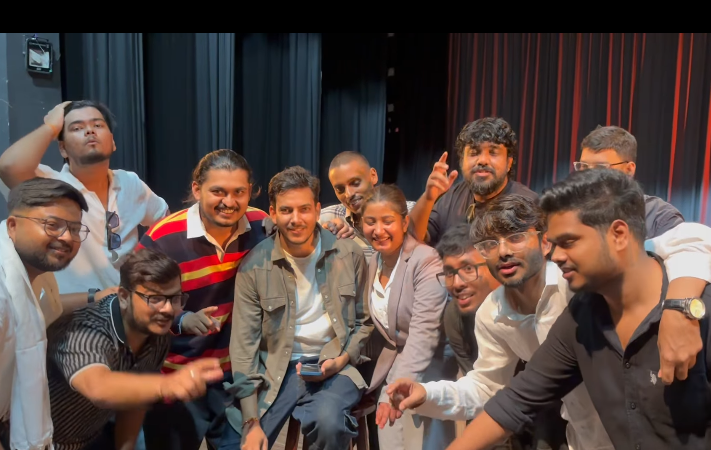
Backstage is where the calm appearance of the event is often tested. It is a busy space filled with people, equipment, costumes, props, scripts, cables, headsets, and countdowns. A performer may be warming up while a presenter reviews their notes nearby. A makeup artist may be making a last-minute adjustment. A technician may be checking a wireless microphone. A stage manager may be confirming the next entrance. At the same time, a producer may be asking whether the opening video is ready. Backstage conversations are usually short and direct. “Stand by for the opening.” “Is the next speaker ready?” “Where is the spare microphone?” “Hold the music.” “Two minutes to stage.” These simple instructions can carry enormous pressure. A missed cue or delayed entrance may affect the entire programme. Yet the audience usually sees only a confident performer walking onto a beautifully lit stage. There is also a lighter side to backstage life. Crew members share jokes during long rehearsals, performers encourage one another, and someone always seems to be searching for a missing item that was sitting nearby a moment earlier. These small moments of humour help people stay relaxed during demanding production days.
Rehearsals, Mistakes and Nervous Moments
Rehearsals are where the creative idea meets reality. A technical rehearsal tests the complete event experience, including lighting, sound, video playback, stage movement, microphones, presentations, camera angles, and performer entrances. A speaker may discover that the lectern is positioned too far from the confidence monitor. A dancer may realise that a costume makes a quick entrance difficult. A video may not play in the correct format. A presenter may speak longer than expected. The opening music may need to be shortened. These are not failures. They are opportunities to find problems before the audience arrives. A detailed run-of-show document helps everyone understand the timing, cues, responsibilities, transitions, and backup procedures. For live events, production guidance recommends testing the complete technical signal chain, rehearsing presenters and performers, and allowing sufficient time for technical and content rehearsals Still, rehearsals can be full of tension. People may disagree about timing or creative choices. A performer may want a different entrance. A director may request another lighting change. The event host may add an unscheduled joke or audience interaction. The production team must balance creative ambition with practical limitations. The best teams do not eliminate all pressure. They learn how to work through it calmly.
When Plans Change
No matter how carefully an event is planned, something unexpected can happen. A speaker may arrive late. A performer may become unavailable. A presentation may fail to open. A microphone may stop working. A power issue may affect part of the venue. Weather may disrupt an outdoor programme. This is where contingency planning becomes essential. Professional event teams identify possible risks, prepare backup options, test those solutions, and communicate the response plan to the people responsible for activating it. A backup may involve a spare microphone, duplicate presentation files, a second laptop, alternative music, backup power, another internet connection, or extra content that can fill an unexpected gap. Sometimes the audience notices a problem. More often, they notice only that the programme continues. The host may extend a conversation while technicians fix an issue. A performer may adjust the order of a song. A producer may move a segment forward. A stage manager may quietly change the next cue. The show does not need to follow the original plan perfectly. It needs to continue protecting the audience experience.
Fun, Drama and Live Entertainment
The unpredictability of live events is also what makes them exciting. Unlike recorded content, a live programme cannot be edited once the moment has passed. Every reaction is real, and every performance carries the possibility of surprise. A host may make the audience laugh with an unexpected comment. A singer may invite everyone to join in. A guest may deliver an emotional speech. A performer may forget a line and turn the mistake into a memorable joke. A surprise act may appear on stage while most of the audience remains unaware. There can be drama too. A speaker may change their script just before going live. A performer may request a new song. A last-minute announcement may need to be added. A guest may become more emotional than expected. The schedule may fall behind because the audience refuses to stop applauding. These moments create challenges, but they also give the event its personality. Careful planning creates structure; live interaction creates atmosphere.
The Final Performance
During the event, every department works together to maintain the rhythm of the programme. The stage manager watches the cues. The sound team monitors microphones and music. The lighting operator shapes the mood. The video team prepares screens and playback. The host keeps the audience engaged. Photographers and videographers capture the important reactions. The audience sees the final result as one complete experience. They may not know how many separate teams are contributing to each moment. A beautiful opening may depend on a lighting cue, a music track, a video transition, a performer’s entrance, and the timing of a camera operator. A successful award announcement may require the presenter, recipient, stage manager, photographer, sound operator, and host to be ready at the same time. That level of coordination is what makes a live event feel smooth.
After the Applause
When the final applause ends, the work continues. Equipment must be switched off and packed. Stages and backdrops must be dismantled. Files must be saved. Props must be returned. Vendors must clear the venue. The production team reviews what happened and records what could be improved. The venue that was filled with lights, music, laughter, and excitement may become empty within a few hours. What remains are the photographs, videos, memories, and stories created during the event.q The audience may remember the perfect performance or emotional speech. They may remember the décor, the music, or the energy in the room. They may never know that a cable was replaced moments before the show, that a presenter changed the script, or that the team solved a serious problem backstage.
The Magic Nobody Sees
A perfect live event is not perfect because nothing goes wrong. It is perfect because skilled people respond to problems before they become visible. Behind the spotlight are planners, producers, technicians, performers, coordinators, photographers, vendors, and support staff. They work through pressure, confusion, excitement, humour, and uncertainty to create a seamless experience for everyone watching. The audience sees the magic. The backstage team sees the chaos behind it—and transforms that chaos into something beautiful. That unseen dedication is what makes a live event feel effortless, emotional, entertaining, and unforgettable.
This post was submitted by a community writer and reviewed by the Kalakaar Studios editorial team.